At least thirty children, most of them British, may have been conceived at fertility clinics in northern Cyprus using sperm or eggs from donors their parents had not chosen. The figure comes from a BBC investigation published on Tuesday. When the same reporters first wrote about the problem in March they had found seven cases.
Half of the thirty were conceived at a single clinic, the Dogus IVF Centre.
The parents had picked anonymous donors from profiles listing medical history, appearance, education and interests, and most of them were told the donors would be screened and from western Europe. Eleven of the thirty children have since taken commercial DNA tests. The results show ancestry inherited from Turkey or countries around it. Most of the children who were tested were conceived at Dogus between 2012 and 2024.
The clearest single finding concerns the supply chain rather than the laboratory. Dogus advertised for years that it sourced donor sperm from Cryos International in Denmark, the largest sperm bank in the world. Cryos told the BBC it has no record of ever having delivered sperm to the clinic. It also said it had blacklisted Dogus in 2016, after finding that the clinic had not placed an order it had told a patient it would place. Cryos has now suspended its dealings with a doctor named in the investigation and with another clinic she runs, until the territory's own inquiry is finished.
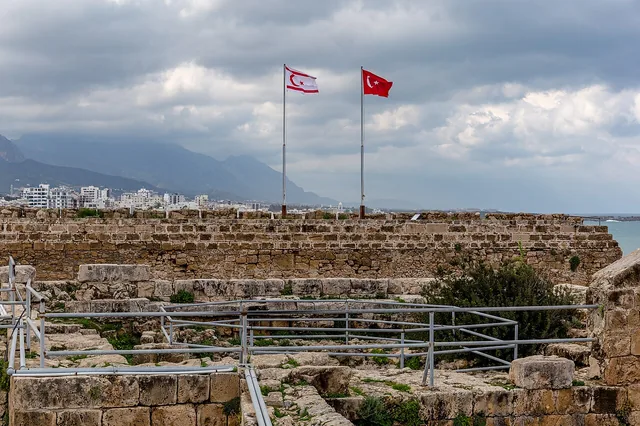
Northern Cyprus is recognised as a state only by Turkey, and European Union law does not apply there. Its clinics are lightly regulated and compete on price, on advertised success rates and on the range of donors they offer, and the territory is one of the most popular places for British patients to go abroad for fertility treatment. Its health ministry said, when the first cases were put to it, that it had opened an official investigation. The BBC says it has asked repeatedly since then for details and has had no answer.
Fertility specialists told the reporters that using the wrong donor by accident is extremely rare, and that an error repeating on this scale points to negligence or to deception. The British Fertility Society said the pattern indicates a "systemic problem which transcends one rogue doctor and one rogue clinic".
In the past few days the UK Foreign Office changed its travel advice for the territory, adding a warning that fertility treatment there carries risks because of the lack of regulation.
Why it is on the board
It was sixth on the BBC's most-read list when we collected, and a video version was running at 952 views an hour. Two lenses, which is how a British story gets onto this board at all — most days the only British list we can see is the BBC's own.
확인: BBC