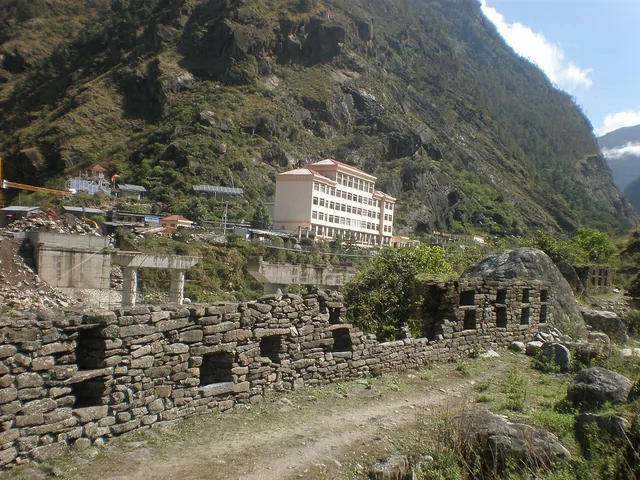
The footage went around the world: water tearing through Gyirong Port, one of the main crossings between Nepal and Tibet, with hundreds of people running. CCTV cameras caught it and social media carried it everywhere. BBC's piece, top of the British reading list, is about one place where it did not travel.
Its count is specific. China's flagship state news bulletin has broadcast a single still frame from that footage, BBC reports, and the video is hard to find on the Chinese internet — as are posts describing the flooding at all. This is BBC's own count, not something we have checked.
The same piece is careful about what China does publish, and so are we, because we have been reading it. Beijing launched a large rescue operation, still running, and the president chaired an emergency meeting on it. There have been daily updates on the missing and the dead, updates on the rescue work, and warnings about the barrier lake above the disaster zone. On Saturday state media showed new footage of rescue teams moving through mud and rock, calling out. That matches what we have carried twice this week from Chinese sources: 中国新闻网, citing the Tibet emergency management department, gave seven dead and 554 missing as of one in the morning on the 29th, with two villagers rescued.
What BBC says is missing is narrower than "coverage". It is two things: accounts from survivors in Tibet, and user-shot footage of the moments themselves or what followed. Beyond the official updates, it writes, there is little detail.
The piece then explains why it thinks the subject is sensitive, and this is BBC's framing rather than ours: Tibet, annexed by Beijing in the 1950s, long resisted Communist Party rule; China has put down protests there, sometimes violently, has been accused of grave rights violations, and calls the exiled Dalai Lama a separatist. The name itself, BBC argues, draws the censors.
Why it is on the board
Top of BBC's most-read list when we collected — and the same story is fifteenth on Brazil's, which is the kind of thing only our lenses show us.
We are carrying this because it is what Britain read most, and we are carrying the Chinese state accounts on the Chinese board for the same reason. Both are on the site this week. Our editorial rule is not to attach censorship notes to any country's ranking — the claim we make is that these are the things people there are reading, which stays true either way. That rule governs what we add. It does not tell us to leave out a story that a country's readers put first.
확인: BBC · 中国新闻网